
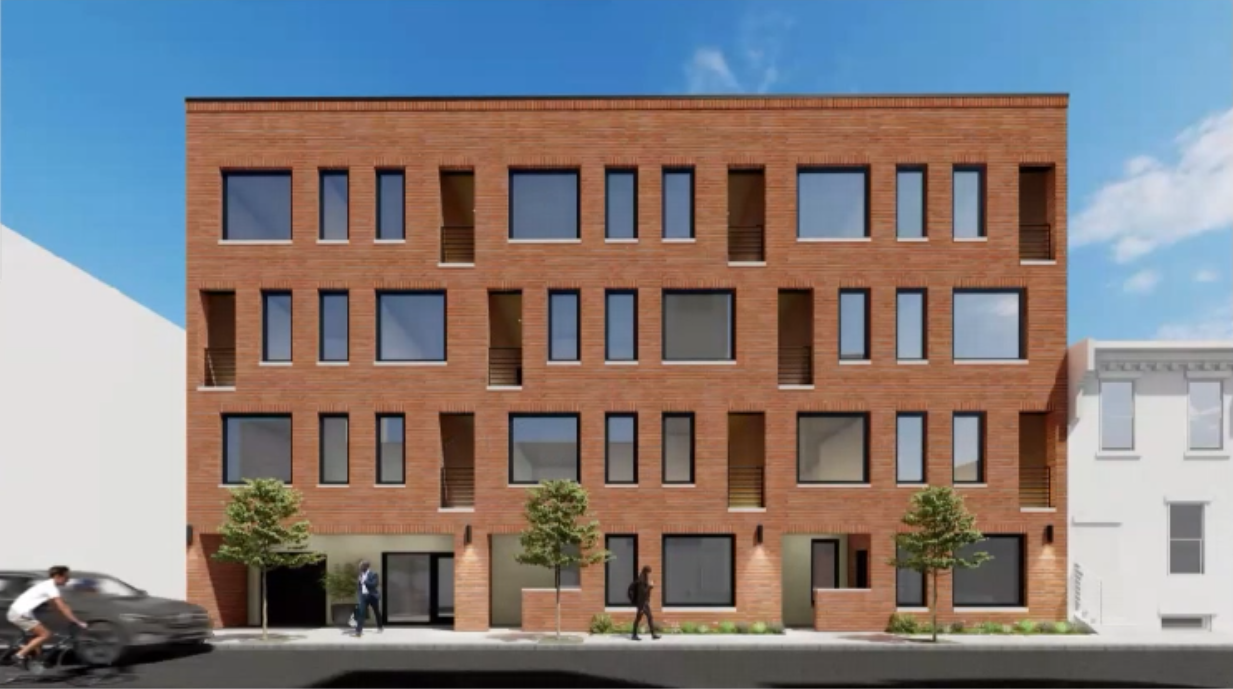
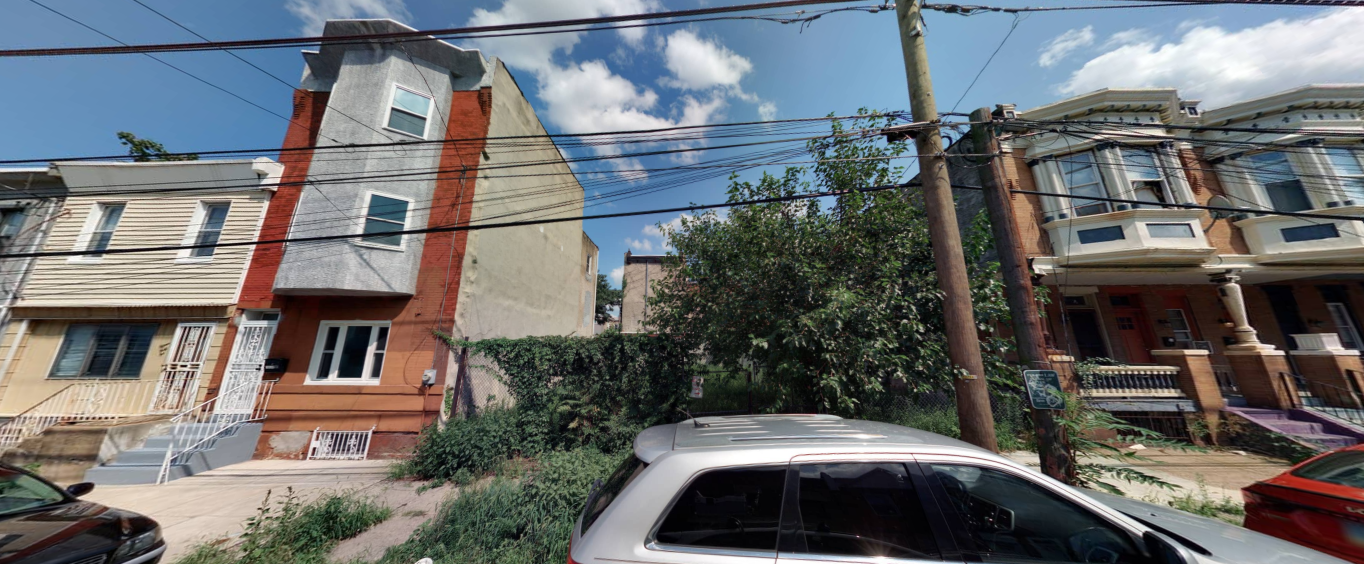
Philadelphia’s legacy as a rowhome city means that most blocks are divided into smaller, similarly sized rectangular lots. Occasionally those lots are consolidated to facilitate larger buildings, creating larger rectangles. Sometimes though, a block’s history results in a property with an irregular shape. To wit, developers recently presented plans for a new project at 1538-46 N Marston St. to the Brewerytown Sharswood Community Civic Association and this property can best be described as looking like a gerrymandered congressional district.
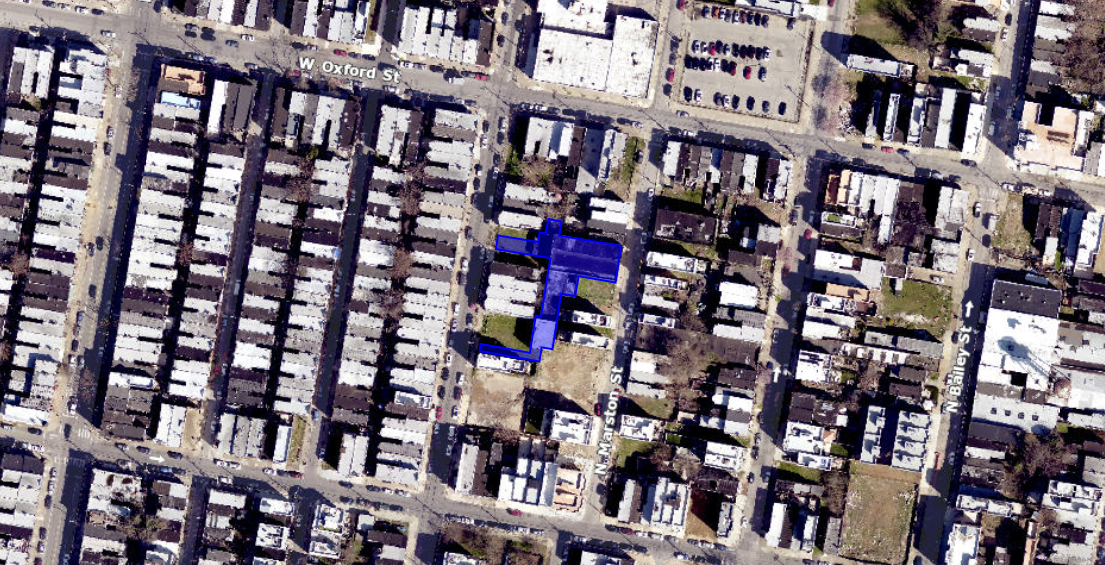
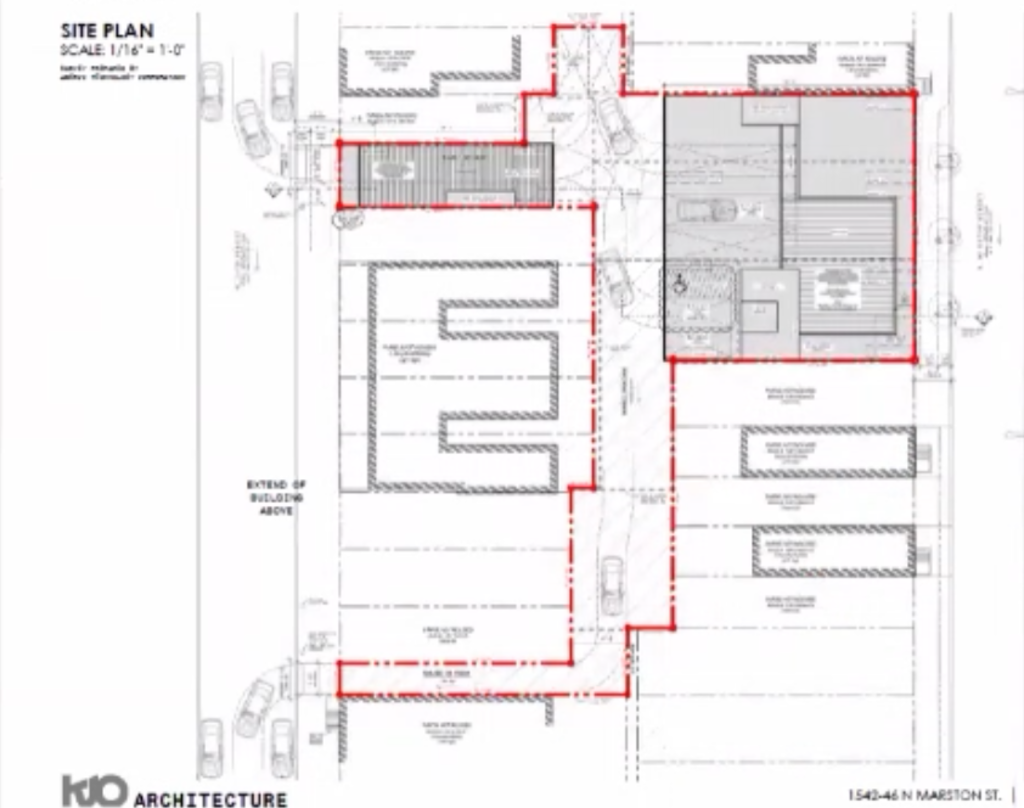
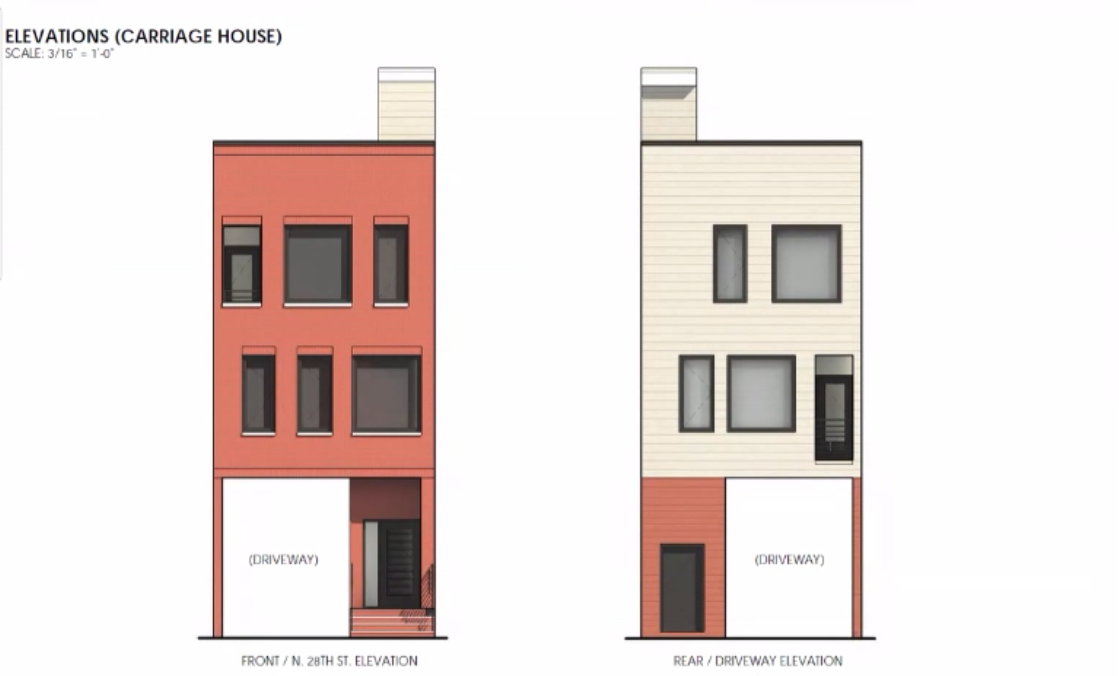
More accurately, 1542-46 N. Marston St. is the irregularly shaped property in question, and the developers are looking to consolidate it with 1538 and 1540 N. Marston St., two mostly typical but smallish rectangular vacant lots. Looking at the plans from KJO Architecture, we see that the project will entail a 20 unit apartment building on Marston Street and a carriage house duplex on 28th Street. You can see, a decent chunk of the property will be used as a drive-aisle, servicing 8 parking spots, with ingress under the duplex and egress via a narrow stretch to the south.
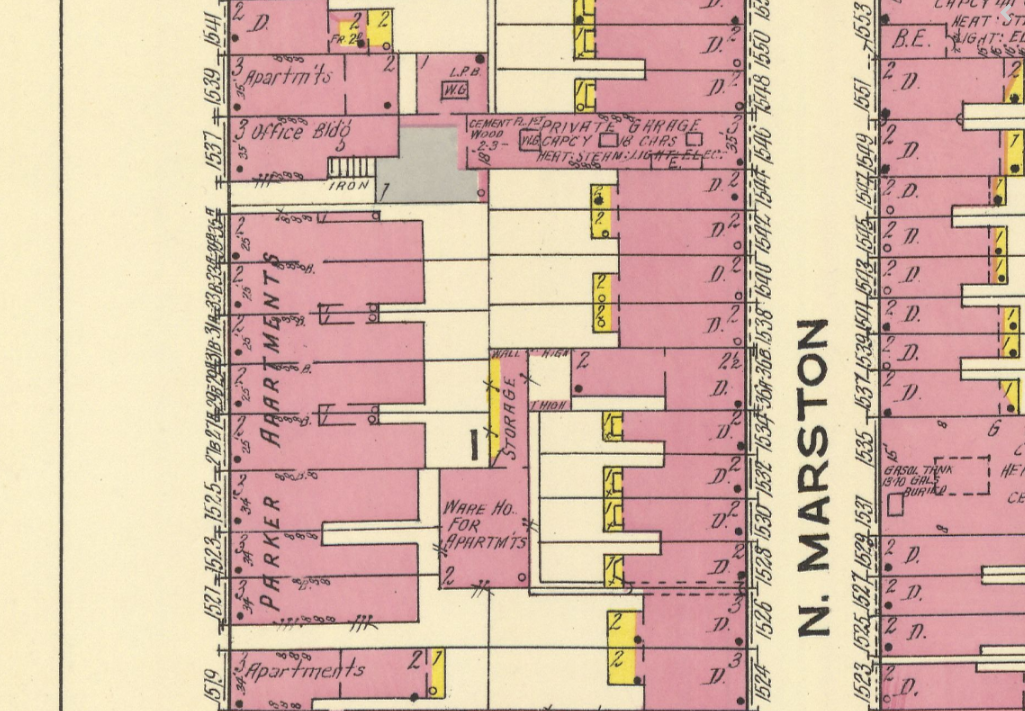
So… why does this oddly shaped property exist? The zoning record lacks any sort of detail on the sequence of lot consolidations that got us here, but an old Sanborn insurance map leaves some clues. An deep private garage and auxiliary structure attached to an office building behind a small apartment building along 28th Street were combined with a separate pair of residential storage and warehouse buildings to the south through the former backyards of several nearby parcels. Did you get all that? Don’t get too tripped up by the details; surely nobody a century ago was too worried about how this unusual layout would create headaches in the 21st century.
Despite the oddly shaped parcel, the development’s proposed primary building has a fairly prosaic footprint. The brick veneer, large windows, and private semi-enclosed outdoor spaces collectively create an attractive building that does well to differentiate itself from other new construction. The design of the duplex carriage house on 28th Street is quite compatible with the larger building, even though nobody will ever see the two buildings at the same time.
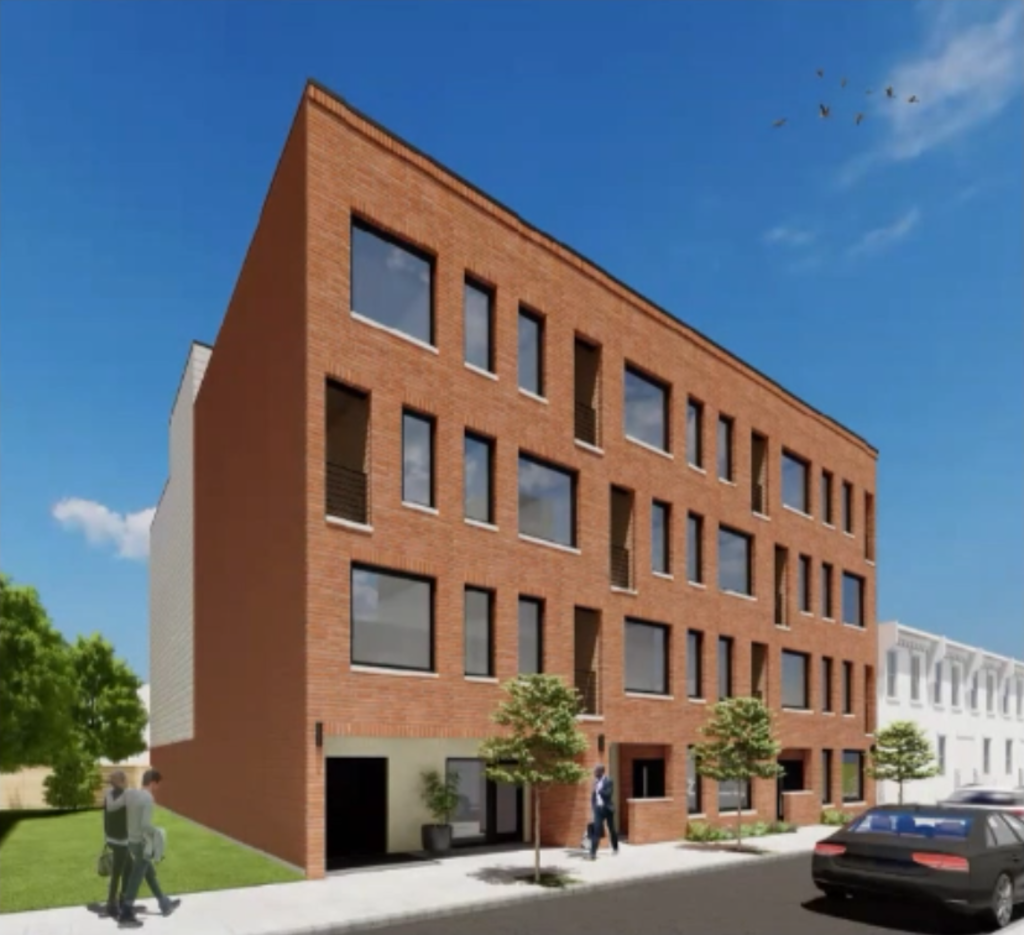
Due to the shape of the parcel, we suspect that any development here would require a zoning variance. Be that as it may, the property is zoned for single family homes, so this project triggers a host of zoning refusals. On the plus side, the fact that the project needs to go to the ZBA is the reason that it came before the community, providing us with the details above. We just hope that the ZBA ultimately approves the project, as it will represent a dramatic improvement on Marston Street and at least a nominal improvement on 28th Street.
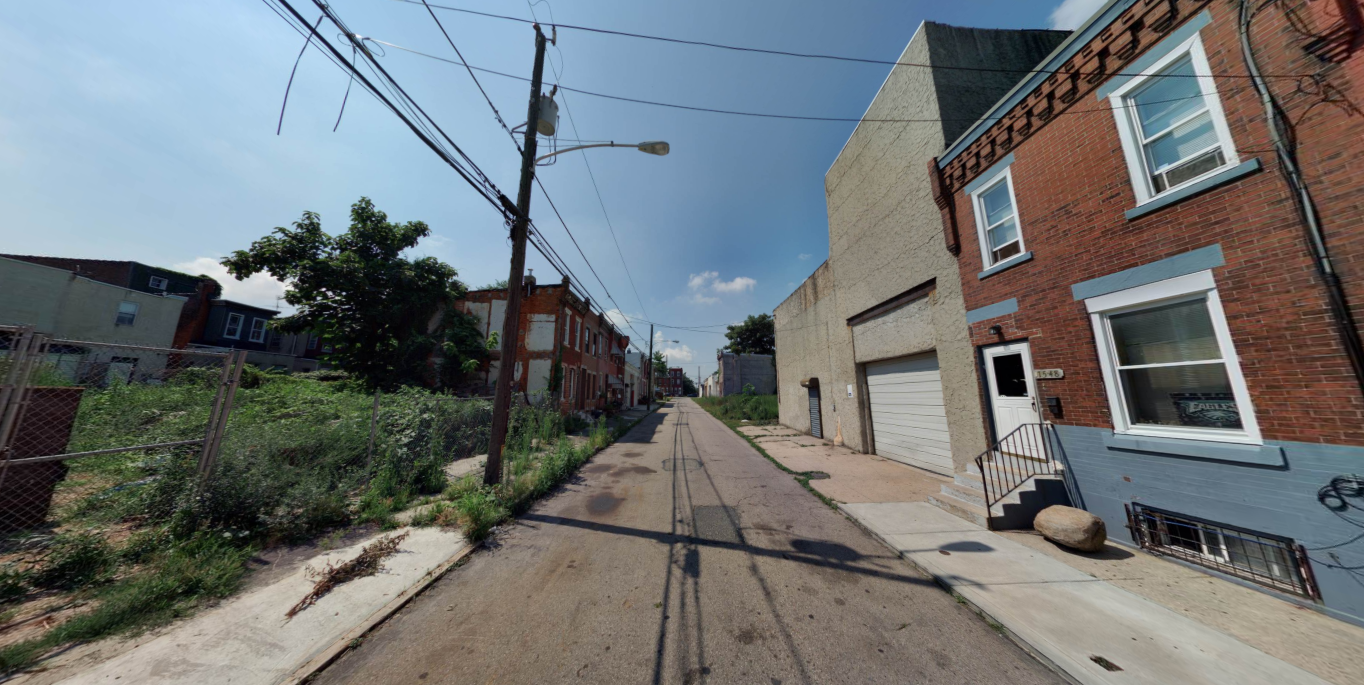
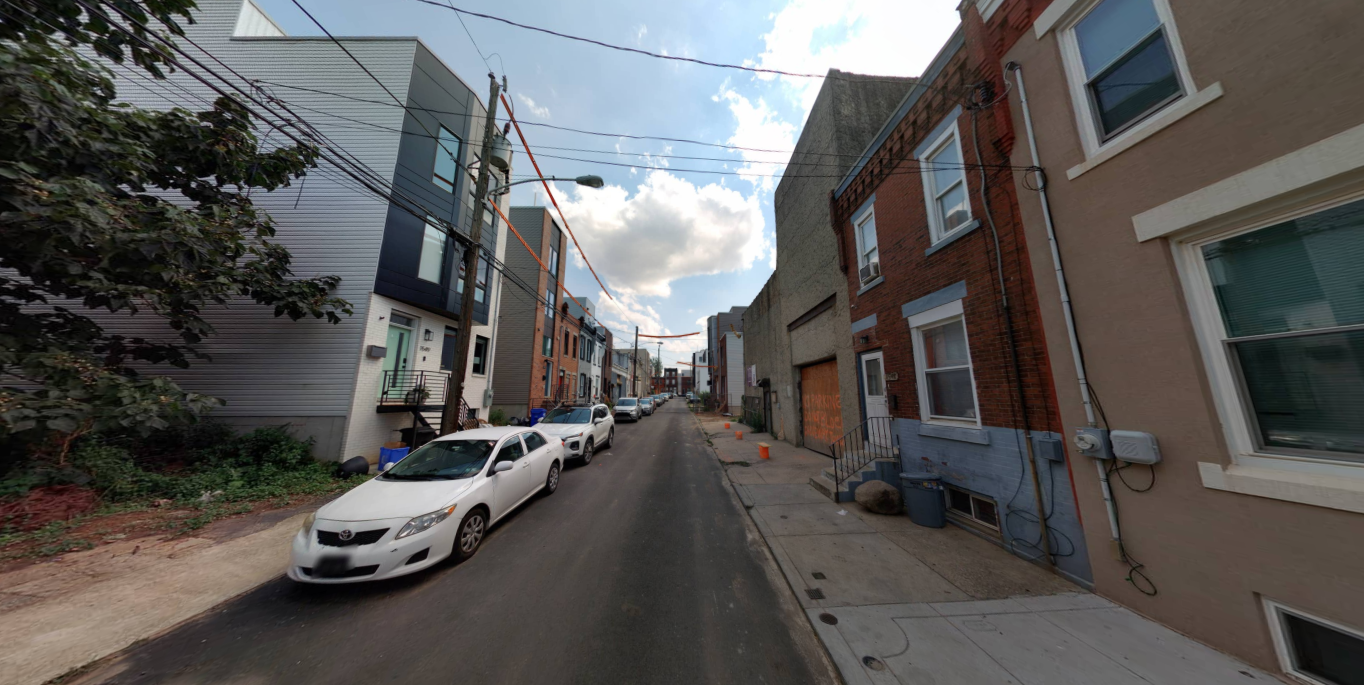
The ZBA won’t hear this project until August, so it’ll be a while before we know for sure whether it will move forward. With Brewerytown emerging from decades of divestment, vacancy, and population decline, this project is certainly a step in the right direction. With the mayor proposing to spend hundreds of millions of dollars on housing in the coming years, we are hopeful that the ZBA gets on board, even though folks at the community meeting weren’t terribly enthused by the project. But what else is new? If our city turns down opportunities for more density just because some near neighbors prefer the status quo, we won’t sniff at Mayor Parker’s ambitious goal for new housing, and artificially constricted supply will continue to push up housing prices.
Leave a Reply