
Given its size and its age, Philadelphia boasts more old churches than most other cities in America. These old religious buildings have evolved with their neighborhoods, as demographics have changed and congregations have come and gone. As Philadelphia’s population has shrunk and its residents have become less religious, many old churches have found a new path and no longer serve a religious purpose. We love to write about these old buildings being adaptively repurposed into new uses, as they often serve as great examples of sustainable historical preservation.
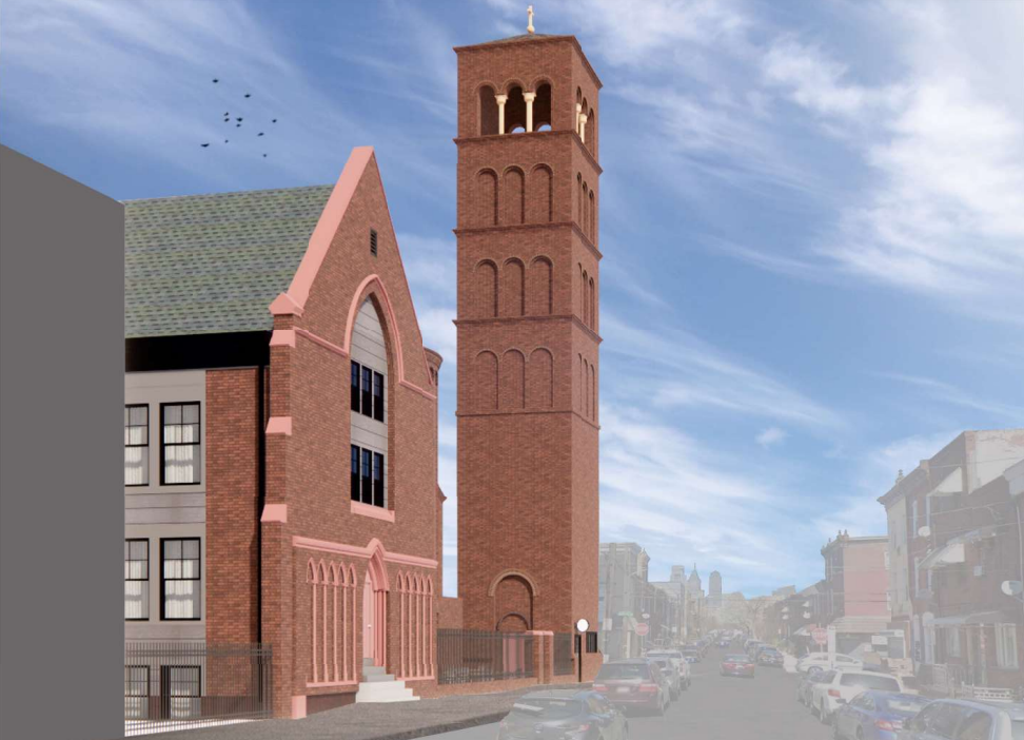
While plenty of former churches have found new uses, we’ve also seen many churches demoed over the years. You can add another building to the demolition list, as we recently learned that a demolition permit was issued the former Fairhill Methodist Episcopal Church at 5th & Clearfield in North Philadelphia.
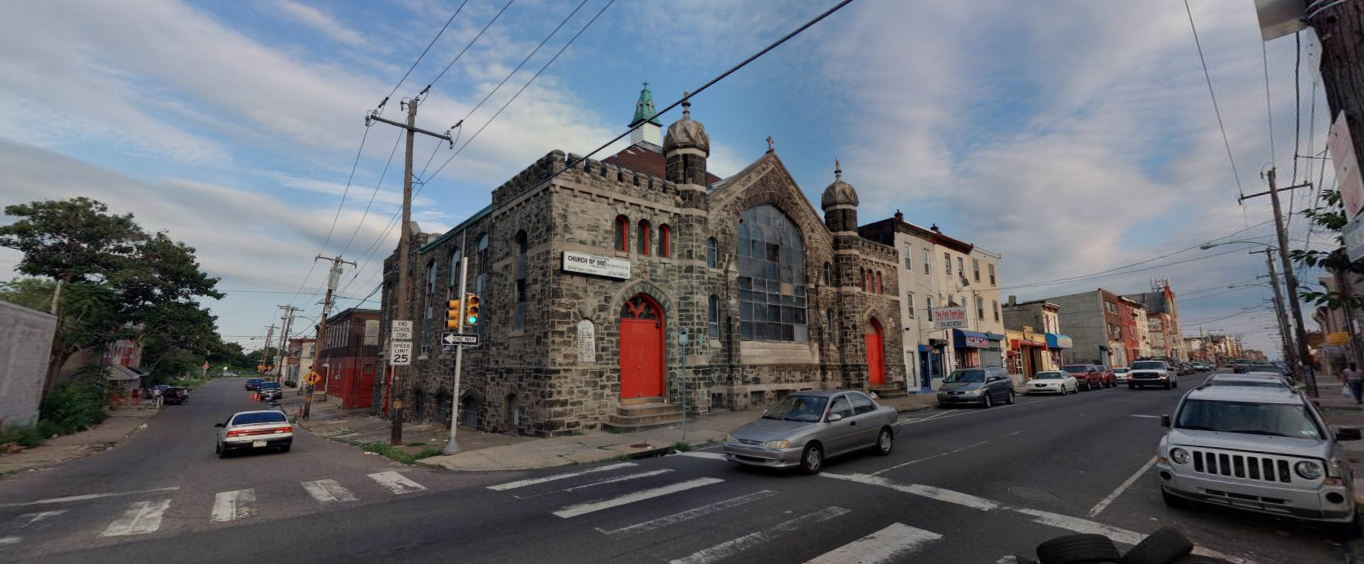
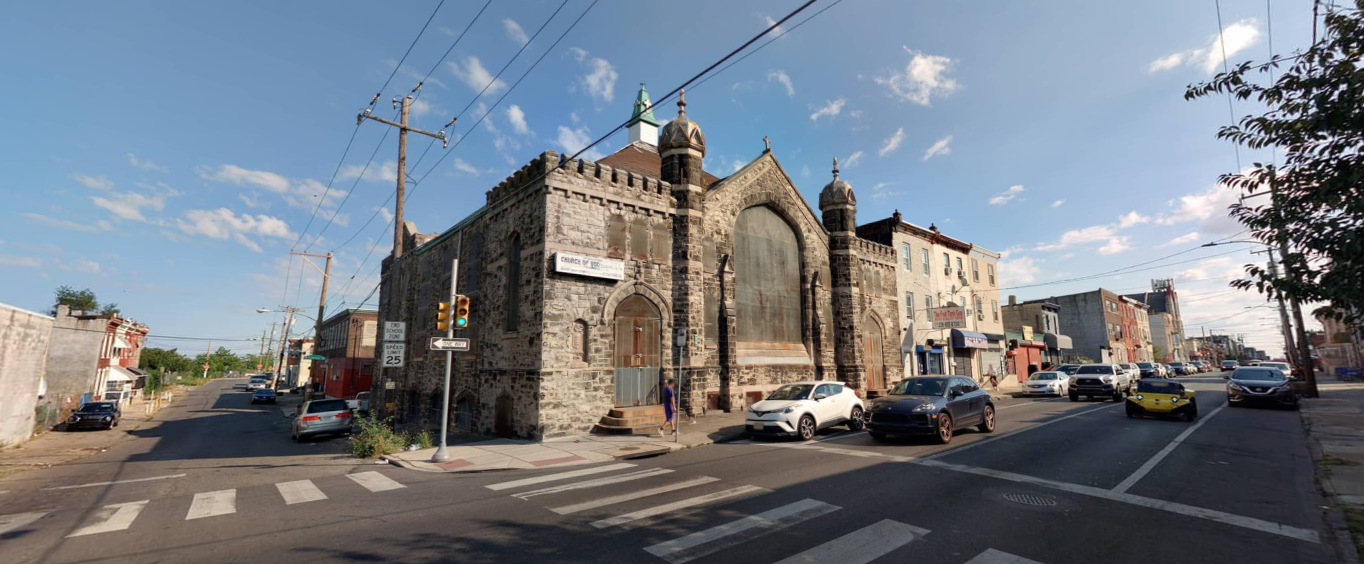
Settling at this corner after several previous locations proved insufficient, the congregation laid a corner stone here in August 1898. Constructed with Holmesburg granite and Indiana limestone, the facility included classrooms to accommodate hundreds of Sunday school students, in addition to a main auditorium.
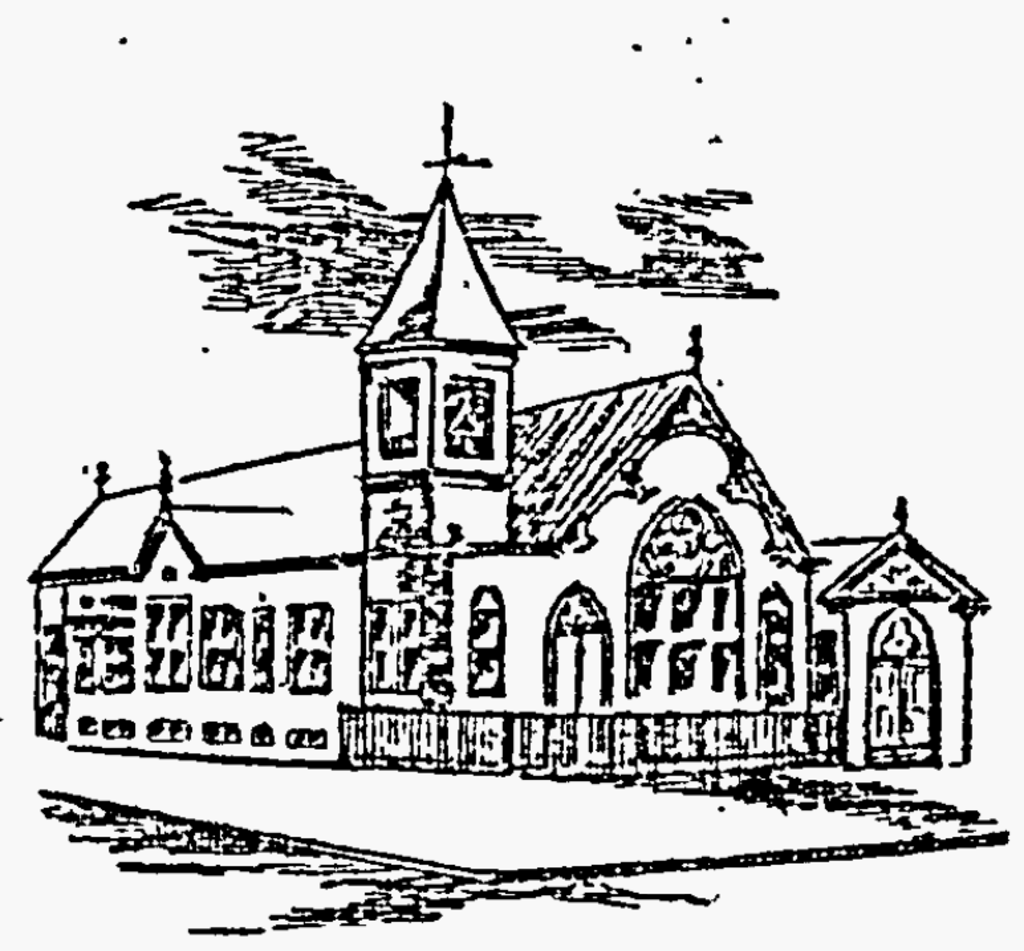
Only a few years later the church was enlarged to create a seating capacity of 600. In the early 20th century the dense working class neighborhood of Fairhill would have provided plenty of potential parishioners for the rapidly growing congregation, and surely the church was a beehive of activity on Sunday mornings.
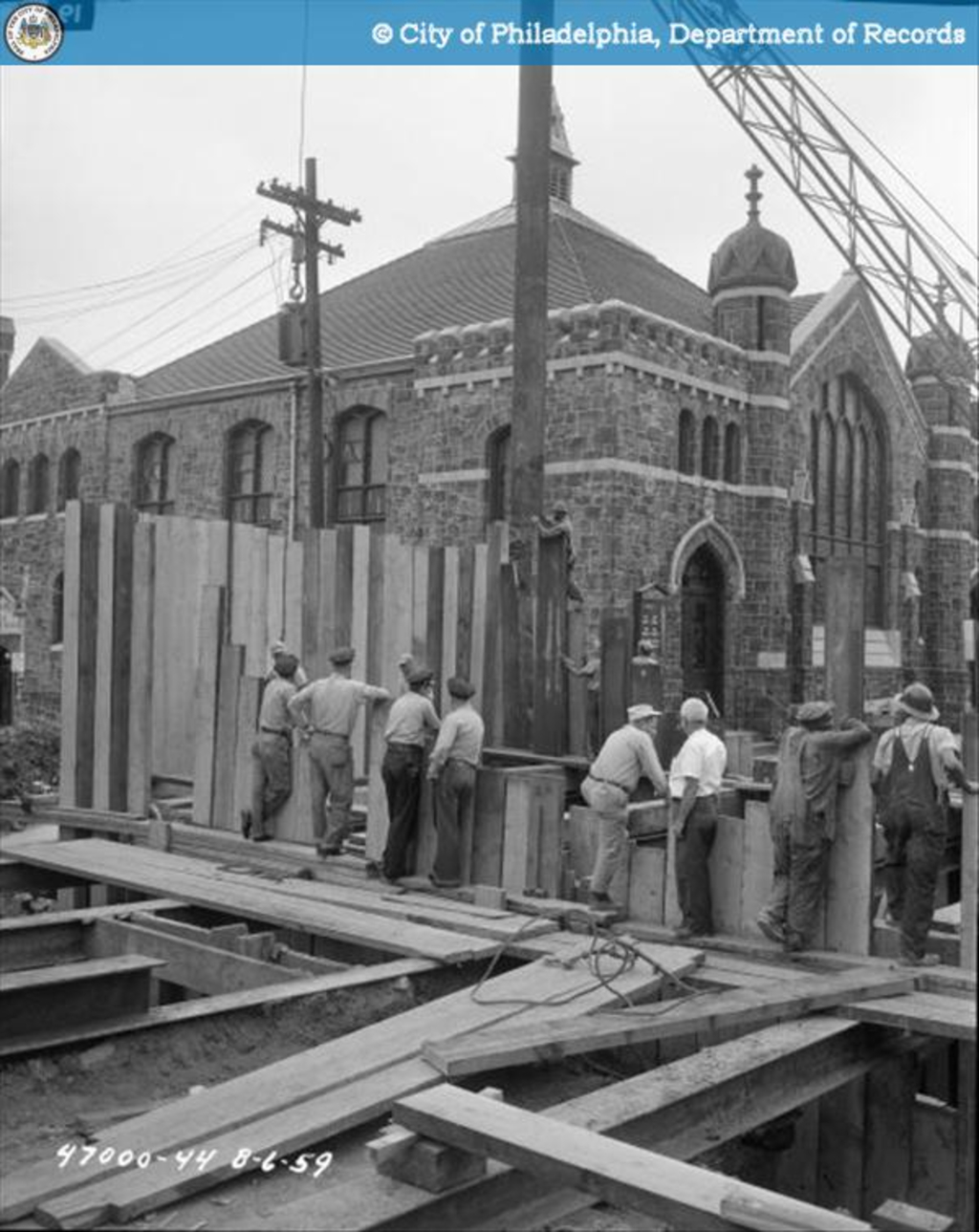
The building housed several different denominations over the years, with private owners buying the property in 2018. New owners arrived in 2022, paying $250K. The most recent listing indicated that the building required a full renovation, and interior photos showed a building that had suffered from years of deferred maintenance. We couldn’t tell you whether the current owners bought the property with plans for adaptive reuse or demolition or whether those plans changed over the last couple years as they’ve gotten to know the property.
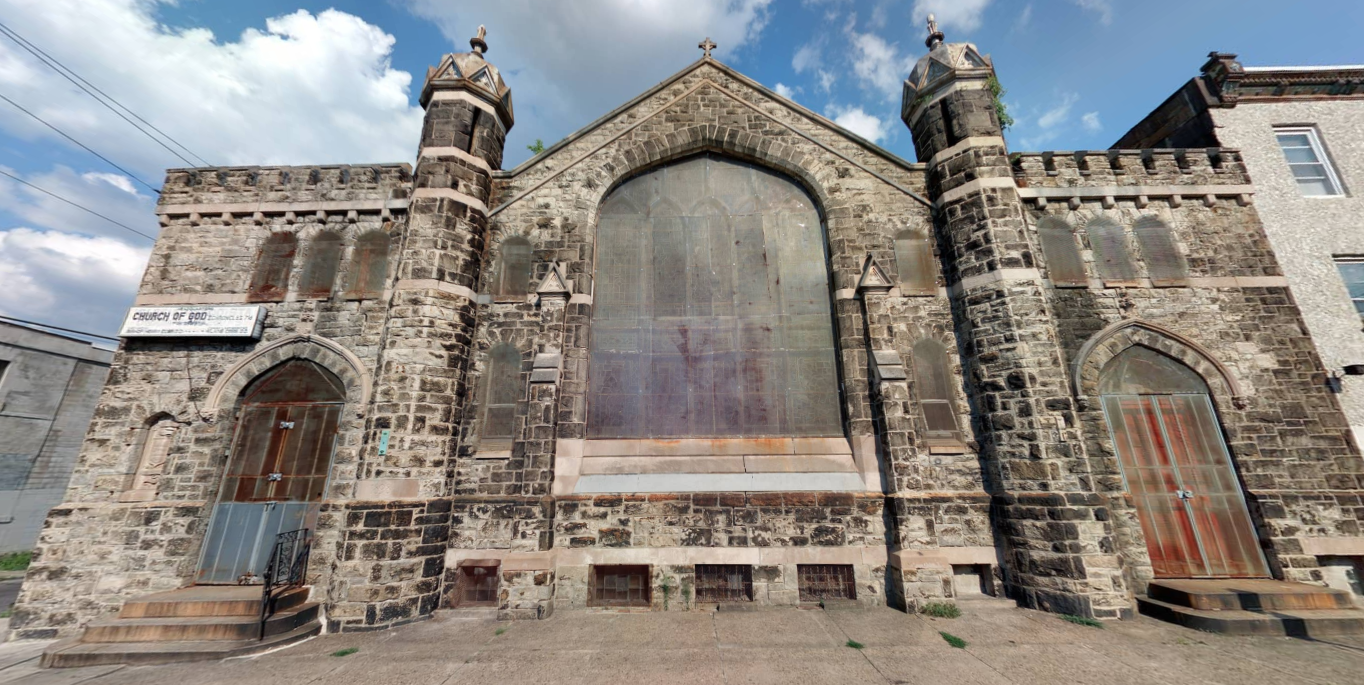
With demo permits now in hand, the die is seemingly cast and reuse won’t be the approach here. As for what’s next, the site’s zoning would allow for an apartment building with a few dozen units a ground floor retail, but we’re not sure that such a project would make economic sense in Fairhill. It’s quite possible that the property will sit vacant for the foreseeable future, and we would suspect that any project in the near future would involve some kind of affordability and government subsidy. We would also bet anything that whatever eventually rises here will pale in comparison to the attractive, if not historic, building we will soon lose.
Leave a Reply